Rower · Builder · Observer
Hugo
Zhou
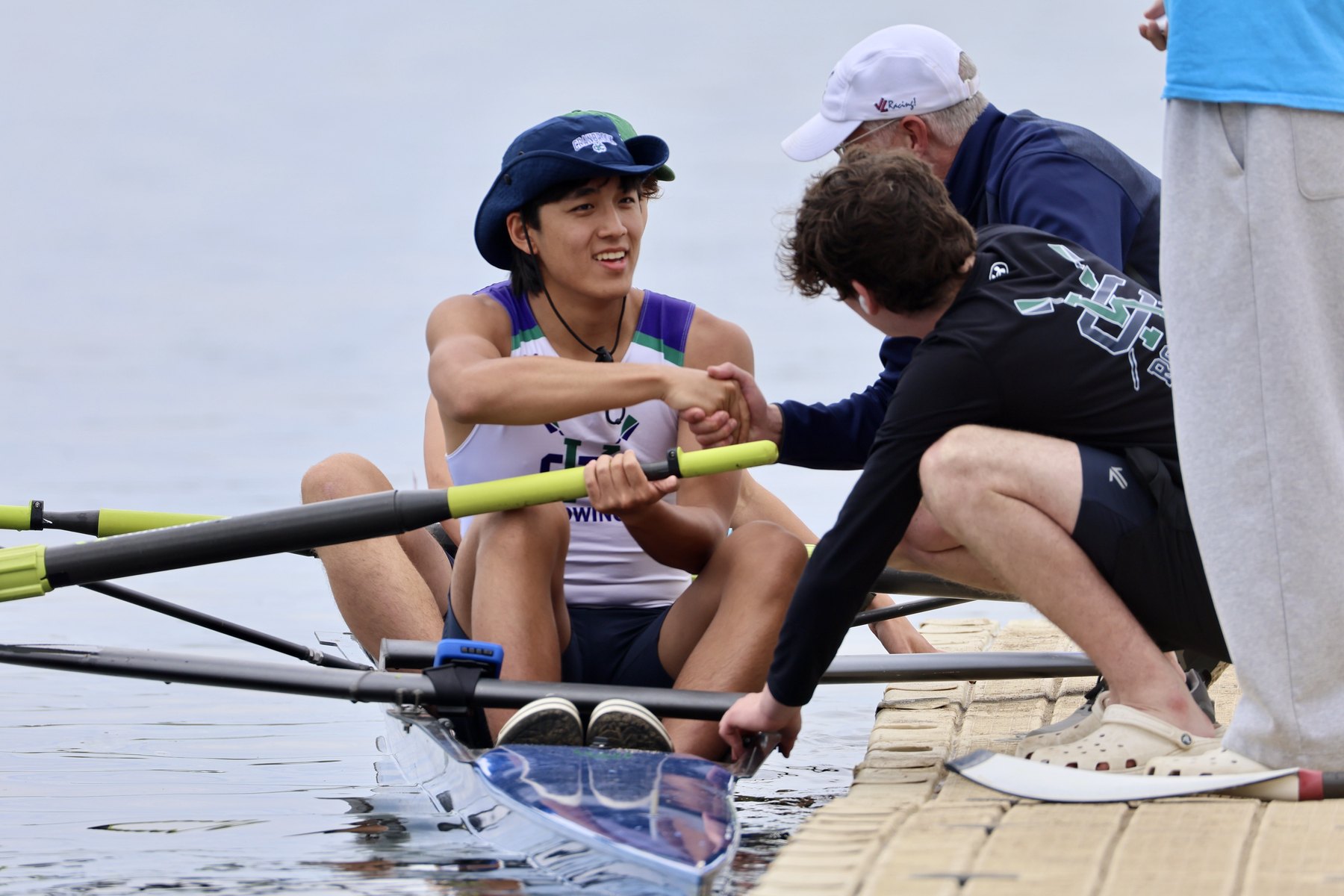
I’ve learned that performance is rarely about strength alone — a small change in posture, timing, or joint position can change everything.
Three ways of looking
One stroke.
Many questions.
Instead of asking whether a movement looks right, I’ve become more interested in the reasoning behind it — which joints are producing the motion, and where the force is actually going.
 01
01On the Water
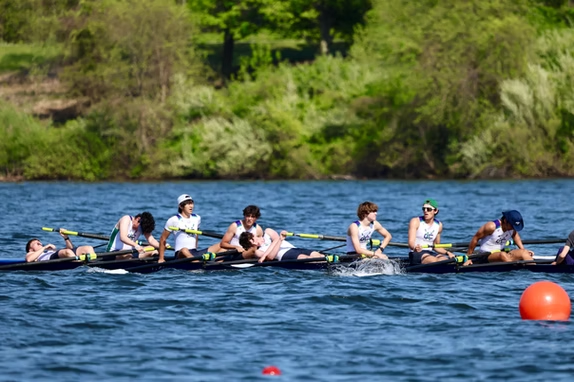
Rhythm, trust, and what a single rushed stroke costs the whole boat.
In the Workshop
Video and pose estimation, aimed at the things a coach’s eye can miss.
03“Power creates potential. Technique determines how much of it moves the boat.”
In My Own Words
More than a split time
The person
inside the boat.
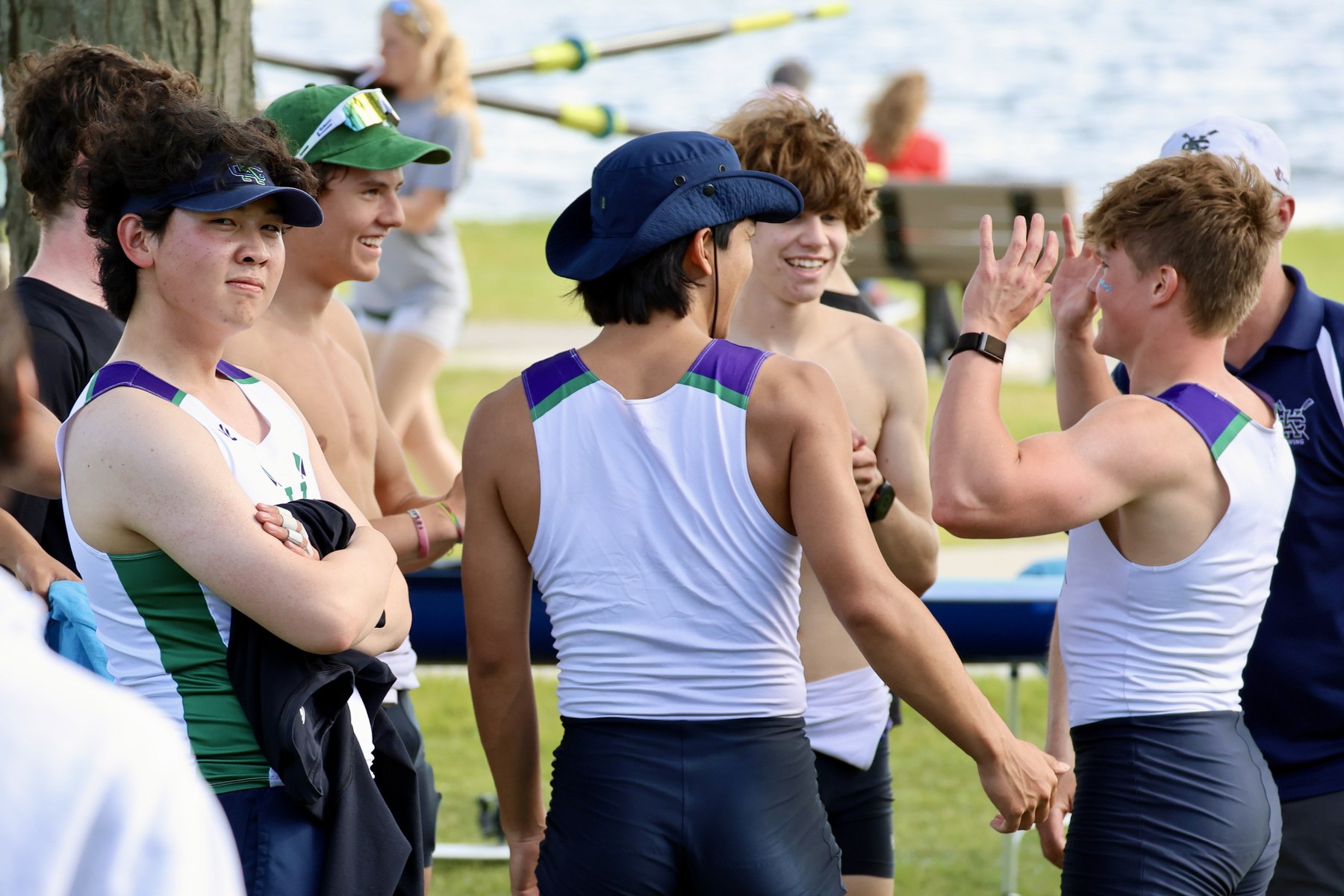
Some of it shows up in a result. A lot of it is quieter than that — noticing when someone needs a word of encouragement, holding a steady rhythm so the seven people behind you can trust it, and showing up the same way on the hard mornings as the easy ones.
— still true on the mornings no one’s watching.
Still asking better questions.
Read the field notes ↗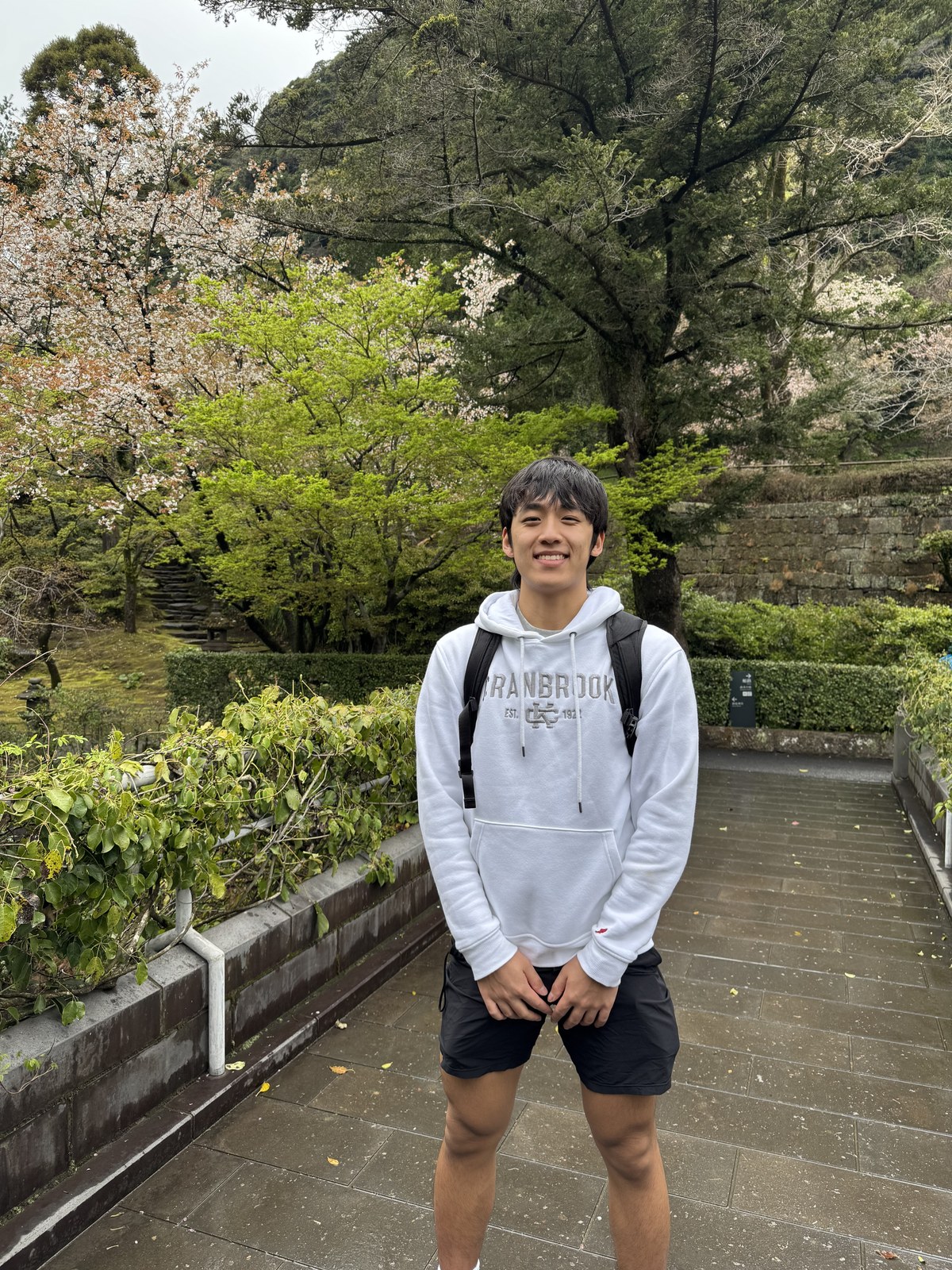
About Hugo
Hi, I’m Hugo. I’ve always been curious about how technique shaped an athlete’s results. As a competitive rower, I’ve learned that performance is rarely determined by strength alone, and a small change in posture, timing, or joint position can affect how efficiently force is produced and where stress is placed on the body. As a result, I became more interested in movement analysis, and began paying closer attention to these details during my own training, especially when technical problems, muscular imbalances, fatigue, and injuries come into play.
What initially started as an effort to improve my own rowing form gradually became a much broader interest in biomechanics and injury prevention. From talks with my coaches and trainers, they helped me notice the importance of studying movement within systems, and their perspective changed the way I watched myself and other athletes move. Instead of only asking whether a movement looked right or wrong, I became more interested in the mechanics and reasoning behind it, asking questions like “Which joints are actually producing the motion?”, or “Where is force being transferred?”.
This curiosity led me to explore video-based movement analysis and pose-estimation technology through python. I am especially interested in how tools such as computer vision can help measure joint positions and identify patterns that could be missed by our naked eye, which can help provide athletes with a clearer and more objective feedback. Of course, technology cannot replace the judgement of a coach or a medical professional, but I believe movement analysis projects like these can help with more accessible and convenient feedback.
My long-term goal is to study human movement, sports medicine, and technology, as I want to better understand how injuries develop, how technique influences performance, and how athletes can improve without sacrificing their health. This website documents my process, where I will include my projects, observations and articles on rowing mechanics, injury prevention, and movement science.